This year let’s stop choosing what we pursue based on how hard it is, but on whether or not it’s worth it. Let’s stop jumping from thing to thing until something takes off and let’s focus on what needs to be done to accomplish what we’re trying to do—and to do it to the best of our ability. No one here needs to be told that life is hard at times, but we also need to stop thinking all we do needs to be hard. We have to reframe how we look at work, purpose, and effort. Of course we like the idea of getting the most for the least amount of effort but life doesn’t work like that. Nothing truly great came from sitting on our asses and settling for what came our way. But it is also true that nothing truly great came from obsessing over an outcome and never letting go of it like an unrelenting drive to work 24/7. In both scenarios we burn out and miss the point. Let’s figure out our pursuits based on what clicks for us. On what makes sense for us. What I will say is that we can’t operate on whims, constantly shifting goals and tracks right in the middle of something else. Nothing gets done that way. We also can’t have such a hard focus on making things right and doing them at the right time that we paralyze ourselves in the details.
Challenging things aren’t always fun but if we are really honest with ourselves, neither are the easy things. Just because we can mark something off of our list doesn’t mean that we accomplished something worthwhile. The point isn’t to complete the list, it’s to design a life that has no list. That flows and naturally guides us to what we need to do next. I understand that sometimes even that isn’t fun because even in flow we can find ourselves in some pretty tough situations. Humans have a habit of misjudging things, though. What we think will be hard often proves to be simpler than we made it out to be and those things we thought we’d mark off the list in no time turn out to be far more complex. That is the nature of life. So if we tend to be a little wonky in judging the difficulty level of something, then we have no choice but to start looking at the value in expending our energy on it. It becomes less about how challenging it is, and more about what needs to be done to close the gap to accomplish the goal. The pursuit always needs to be the goal, not the effort it takes to get it. If we want something, let that be the driving factor. Even then life can still throw us for a loop but that doesn’t mean give up.
Over the last couple of years, I’ve felt the shift in my direction of thought and purpose. I have these goals, these things I want to do and I plan it out every year—and in this time, I’ve accomplished very little of what I set out to do. It’s something that I actually do carry shame and fear about because these goals are near and dear to me, it’s not like I’m randomly picking something. These are important pursuits for me. I can say that I’m proud I’ve still stuck with them because I can see where some of the effort I’ve put in over this time has started to pay off. But if I had simply given up and stopped doing what I wanted because it wasn’t happening, then I wouldn’t be here now. Is it where I want to be? Not quite, but I’m a hell of a lot closer than I was. Sometimes we have to learn to refine and define our efforts better instead of completely shifting course. We have to stick with what our gut tells us—we are drawn in that direction for a reason. I’m not saying to not use discernment and trust that when something isn’t working despite our efforts that we need to give it up—that may be true, we may have to stop something we thought we really wanted. But I am saying to work with enough clarity to evaluate our choices and understand the drive behind starting something. Go for it if that is what calls us—we will find a way to get it done.
Recipe for massive failure: have higher expectations for others than you do yourself. I don’t remember where I saw this one but I think this is an important reminder for everyone in this day and age. Our society lends itself toward martyrdom and victimhood, thinking that everything is an attack up to and including expressing our beliefs. We somehow feel we are authorities on everything, like our opinions and feelings matter more than the facts. Anyone who reads my work knows that I value opinion and feeling but I look at them as tools. I’ve spent nearly 4 decades dealing with the fallout of letting feelings, feelings about emotion, and opinion run my life and I can speak from experience that this is a surefire way to be disappointed by people. When we look to be hurt, we will be hurt because we allow ourselves to feel we are hurt no matter what happens. It isn’t up to people to live up to our expectations because we have an opinion on how people should live. If I feel like someone should behave a certain way, if I expect them to react how I do, then I’m set up for disappointment from the start.
I won’t, for a single second, say that humans are rational creatures but I know they are capable of rationality, perhaps even up to a near Vulcan level where emotion plays no part. But I also know that we worry about everything, we try to plan ahead, we try to know the answers to everything so we don’t get hurt. Life doesn’t work like that and we can’t control what others do. I’ve been on the receiving end of irrational reactions to the point where a single difference of opinion led to the end of a friendship in spite of years of openness, kindness, and generosity. I’ve actually done the same thing because I expected more out of someone and when they showed signs of behavior that I didn’t like or behavior that reminded me too much of what had hurt me before, I didn’t hesitate to cut them out. Some of those bridges I honestly had no issue putting the match to. Some of them I realize I could have handled the situation better. After time, I see the only thing I could have controlled in any circumstance was and is myself.
And that my friends is the entire point. Our job isn’t to dictate what people do. I believe there are certain matters of behavior and decorum that should go unspoken, things we should all practice as common courtesies and kindness. I’m human and I still react in those moments someone isn’t following those beliefs. But I am at the point where I fully understand I have no control over what other people do. We have the choice to address it, ignore it, adapt to it, learn from it, or walk away from it. As I think about it, I believe that is truly the point of differences. We are meant to shape each other. Think of the rocks we polish by putting in a tumbler: they beat against each other until the edges are worn enough they don’t hurt each other anymore. We tend to be abrasive with each other when we have a difference in thought. The skill I’m focusing on honing and what to share with others is managing the emotions we have, managing the thoughts we have, and focusing on controlling what we can. To do that we need to understand the difference between what is in our scope and what isn’t. That can be a fine line at times but we must never cross it without permission and understanding on both sides. If we want to live in disappointment, believe that we have control over how people think and feel and how they treat us. If we want to learn to navigate life with less armor but more skill, we need to manage our own thoughts and feelings. Self-control and understanding can never steer us wrong.
We need to have enough faith to walk into rooms that don’t want us there and enough fuel to keep standing. For even in those uncomfortable and challenging circumstances we have a purpose. We never know the lives we touch and sometimes the only thing people need to see is the courage it takes to stand in who we are, an example of hard things getting done. Simple things that aren’t always easy sometimes need demonstration—or we need the reminder that it’s ok to act outside the norm. Sometimes we need that reminder ourselves. We don’t even need to directly speak to these people because the action speaks to them. Humans are sensitive creatures and we know when something feels off, we know when our presence becomes uncomfortable just as we know we are uncomfortable in certain circumstances. Even in those times it feels like we don’t belong, we need to trust that we are where we’re supposed to be. As I wrote yesterday about the fire fueling or burning us, sometimes we face difficulties that are meant to spur action into ourselves and others even if it feels off. Sometimes that difficult feeling is what makes us move and inspires others to move as well.
It takes a lot to face fears head on. As we talked about yesterday, facing the fire can be painful. It is in choosing to face the difficult things that show us we are resilient and, while some things really do hurt, they aren’t meant to hurt forever. We aren’t meant to stay the same forever and not every calling to change is pleasant. Faith stays with us during those moments so we can come through unscathed. We never said anything about being comfortable—it’s highly uncomfortable. But once we reach the other side, there is nothing that can stop us and suddenly we are an example to everyone that the flames, the rooms we walk into with daggers pointed at us, those are just temporary things, tests/gauntlets of our nerve and desire. Sure, we need to be wise enough to know when we really should stay away—that doesn’t mean every uncomfortable situation is to be avoided. We need discomfort to grow, to learn to push through and move forward/upward. Most importantly, we need to build the confidence to tell the difference—when we simply need to pas through, when we need to stand still, when we need to face the fire, and when we could get burned.
As we get older we start to learn that opinion can be a shaky determinant of circumstances and other people. Judgement and discernment are the skills we need to worry about, not what people think of something. There is a time and place to discuss thought and opinion on certain matters but we learn through making choices, some of them tougher than others. Opinions can be guideposts and show us points of curiosity, but there comes a time when opinion is irrelevant and we need to show up regardless of what people think. We need to have the hard conversation regardless of what people think, we need to show up and be an example of the change or the conviction we talk about. Most of the greatest movements in humanity started because someone had the audacity to be where they weren’t wanted. The gumption to do what was right no matter what others thought or felt. They showed up and faced the fire in spite of any potential consequences. Stand firm because that simple act can be all that’s needed for someone else to stand with us and for real change.
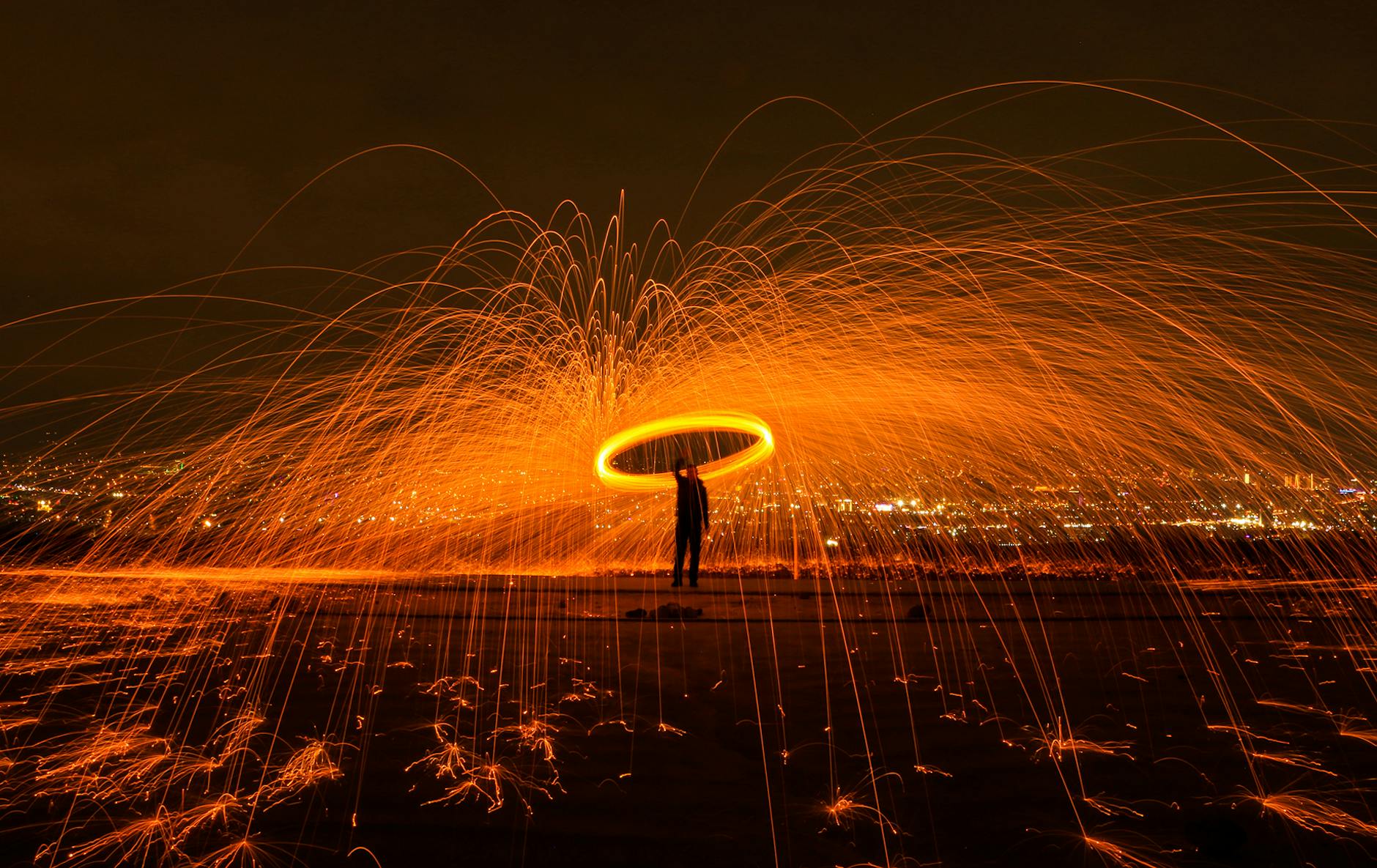
“Instead of being burnt by the fire, let it fuel you,” WildSoulSisterhood. It’s quite possible to venture into the fire and not get burned. We must have no illusion of control, rather we need to let the fire do what it does—bring light to situations. Ignite things that started as a spark. Spur us into action. Clear obstacles from our paths so we see the truth. I don’t pretend it’s comfortable to make friends with the heat. So it is with life, as well. We can let the stings and stray sparks hurt us or we can put them out and move on. We can let them ignite into a fire all their own or we can quench it before it takes. We can lament what the fire consumes or we can celebrate what was. We are the ones who allow it to be a thing of pain or a thing of beauty. What we have to understand is it is both and it is nothing at the same time—it simply is. Fire is fuel, it is sustenance and, while it requires fuel to keep it going, it is an energy all its own. I choose to face the flames rather than run from them because those flames recognize the fire in myself.
“I like to see it to know it, to be tested on it to be done, but I get a feeling I keep getting tested on this one,” this is from an older show, Family Ties but it’s still relevant today. I lived my entire life like that. I still live my life like this if I’m honest. I approached everything as a test and I believed everything had an answer, like we had to figure it out and then move onto the next one. There was a time my memory was air tight for absolutely everything, remembering conversations verbatim, all the details down to what people were wearing. I truly was near eidetic. And then as life continued to move forward, more and more stress and fear and obligations packed themselves into my life and I started losing things. I struggled to remember even the most basic of things. I started losing that facet of my identity—that I KNEW. This was also accompanied by a time when I wasn’t exactly clear on where I was going or what I was doing.
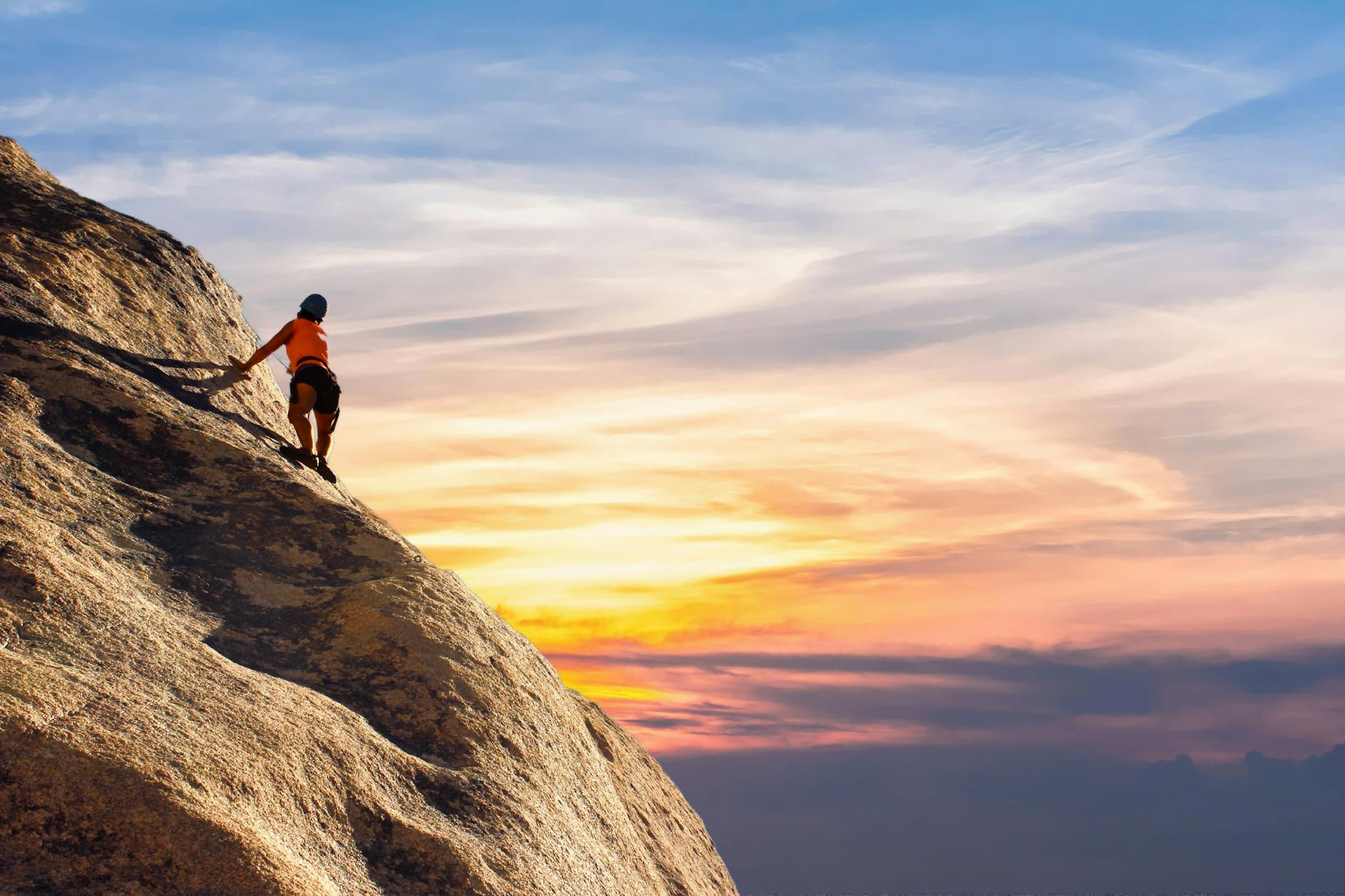
I thought my value was determined by what I knew, by proving what I knew. I started looking for more tests to prove I knew what I was doing instead of looking for the tests that mattered. Instead of looking for what mattered to me and what made sense to me, I just kept looking for more and more tests. And soon that didn’t stop. It was an endless cycle of thinking I knew what I wanted or I found my place only to discover it wasn’t the right fit after investing the energy because it was always all in for me. Then I’d have to figure something else out. I felt overwhelmed with tests and felt like I wasn’t going anywhere—because I wasn’t going anywhere. I kept running around the mountain trying to find my path and I faced people who wouldn’t let me start the climb and I chased people claiming that I knew more than they did.
The problem with thinking we know it all and being tested all the time is that we never find that one thing we love. Never find that thing that’s ours. We aren’t meant to know everything, we are meant to be subject matter experts—pick an area or a couple of areas of expertise and go all in. Stop picking the fights that don’t belong to us, stop picking up the responsibility that isn’t ours, stop taking accountability for something that belongs to someone else, and stop giving people permission to write our stories—up to and including saying that we somehow have an obligation to prove ourselves about something—that we need to show we are right. That’s allowing someone else to hold the pen. I believed life is a test—and I still do. But I had it wrong. It wasn’t a test about what I knew, a test about right or wrong. It was a test about willingness to live life. In that regard we are tested every day to see if we break the habit, if we follow through on what we want. Until we have the life that’s ours, we will keep getting tested—there are no cheat sheets except for what we have in our souls. The sooner we listen, the sooner we pass.
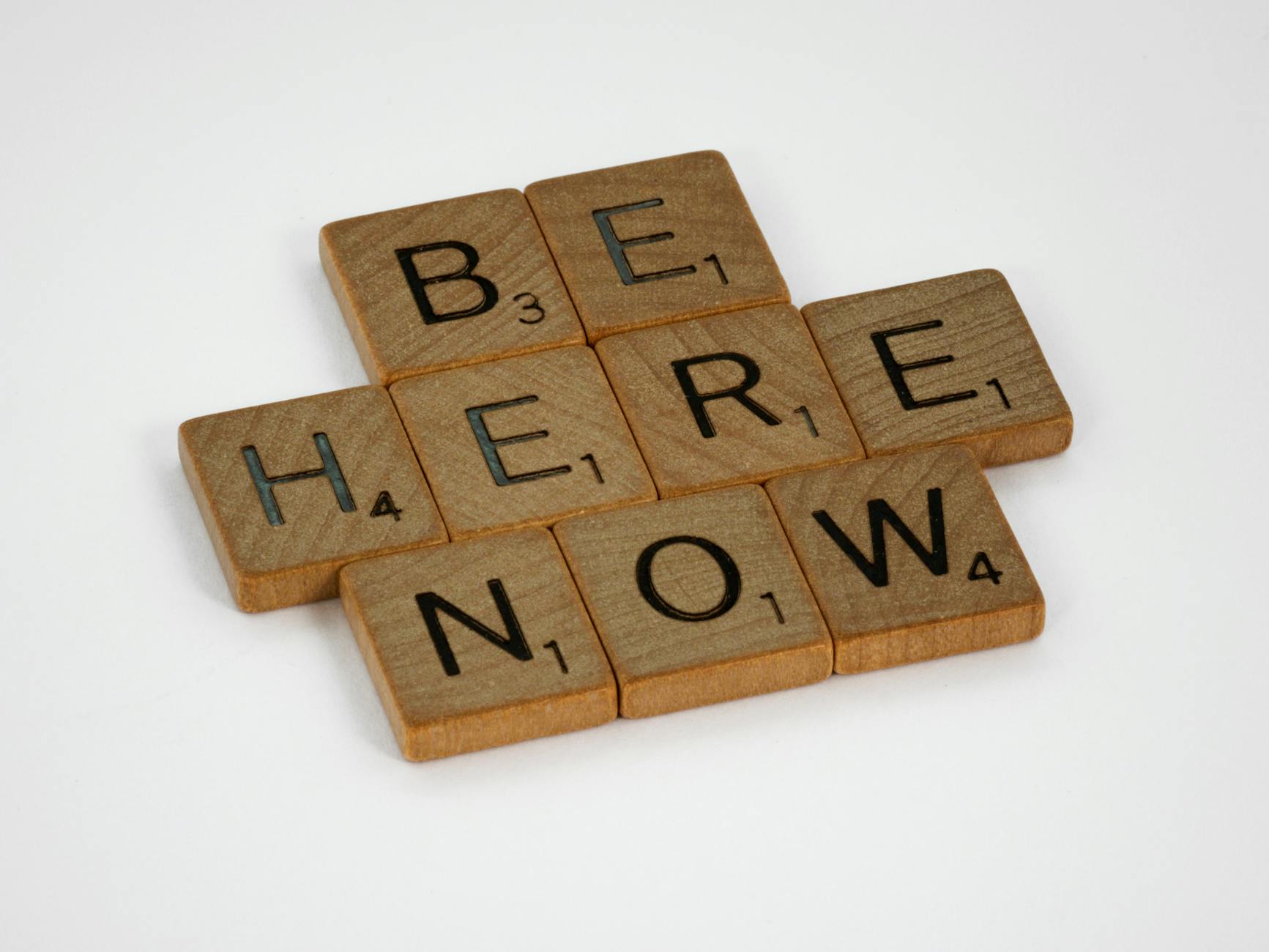
I heard a clip of a speech where this person addressed the audience (virtual and live) stating that we were all here together, and even if we were not all here (meaning on location), we are still here, exactly where we are supposed to be. As a person who struggles with FOMO and also understanding that we only have the time we are gifted here, it seemed incredibly profound and settling that where we are is exactly where we are supposed to be. We can only be where we are, we can’t go ahead of where we are. So we need to find peace where we are. Sometimes we need that reminder and the fact this came right after I wrote about only being here for a short time, this seems confirmation that we need to be ok with where we are. We have to be ok taking the next step. Because we are all right where we need to be on some level. Be grateful for the moment as it comes. Take it as it comes.
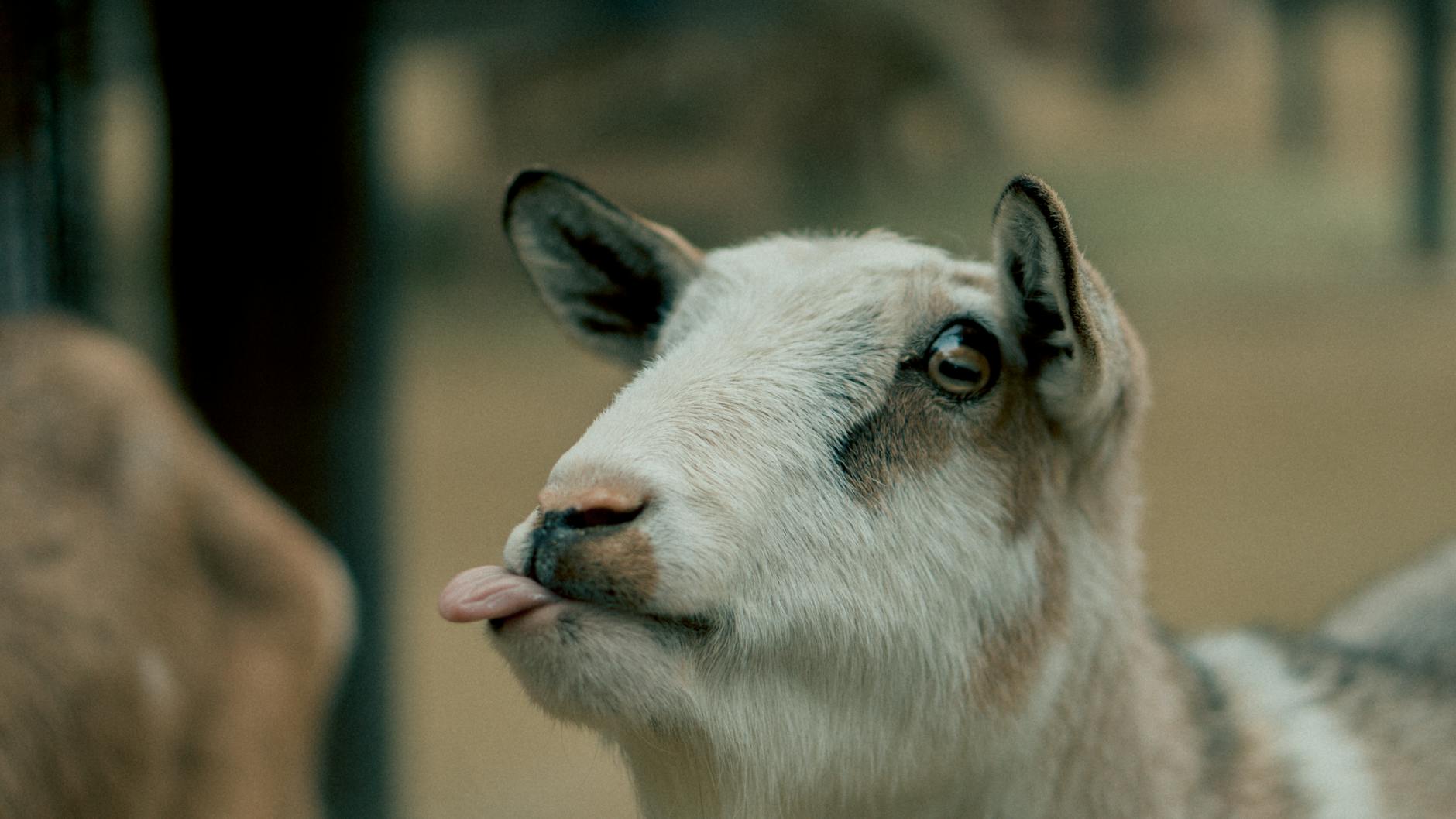
Today I am grateful for fun. I did something yesterday that I’ve waited several years to go and do: Goat Yoga. I cannot recommend it enough to anyone who likes goats and yoga lol! I would highly advise being with people who have a sense of humor and love animals but other than that, I’d say go for it. It was one of the best experiences I’ve had in a long time. Part of it was the novelty, part of it was the fact that I do love goats, but all of it came down to such a presence and wanting to be there. We all wanted to do it, we’d all be waiting a while to try it, so we decided to go. Not to be totally cliché but it was one of those moments where it all came together—we wanted to have fun so we decided to go for it and it turned out really well. There is no “acting cool” when it comes to these animals climbing over you or when they decide to poop right on your mat—animals are the great equalizer and it is so cool to be reminded that we are animals too. There is something so connected in the entire experience as well. Yoga in itself is grounding and keeps you present but throwing in animals that are naturally drawn to people (or not) and it is a truly humbling experience. We had a girl with us who had been joking she was terribly flexible and started that time of the month and one of the goats literally came and curled up on her mat right as we were starting to warm up, like, “Nope, you’re good, just pet me.” That type of connection with animals is a spiritual experience. And it was a blast.
Today I am grateful for sense of self. After our yoga excursion we went to a restaurant super close by. I knew off the bat this wasn’t my type of scene but in the vein of trying new things, I decided to go with it. It was a super ritzy place, not somewhere I would go after being crawled on by goats, but it seems this is a norm for the area we were in. I will not deny it was cute and it was so nice to be with girls just laughing about everything. It was nice to feel supported and to learn about each other in a group. But it was not cool to pay $50.00 for a chicken sandwich, chips, and one drink—for one person. I knew in that moment that the experience of the day was amazing, that is literally something I will never forget. You don’t easily forget being crawled on by goats, going to lunch, and laughing your asses off for nearly 3 hours. I understood how bonds do form in those moments. And I understood the value in trying new things that fall on someone else’s wish list. But I understood more that just because I have the experience once doesn’t mean I would have to do it again. Goats and yoga? Any time. A stupid amount of money for food? Not so much. Being with women who have something in common and are finding things in common? Definitely. Especially when you’re learning more facets of who you are. It was amazing.
Today I am grateful for energy being recognized. So you see goats are pretty profound lol. During this whole experience, the woman who was responsible for the goats (the owner of the farm) had been walking around and monitoring, laughing, picking up pee and poop, and working on pictures. As we were leaving, she stopped our group and told us about other offerings they have and said that our group needed to come back because we had an amazing energy. Normally I would chalk that up to sales/upselling in general but the truth is she had seen us with each other and she had seen how the animals reacted to us and she knew we truly appreciated the event and would have fun with other stuff as well. It was nice to put aside the bullshit that comes when women get together and to know that we were recognized for who we were and having a good time. When energy speaks to energy there is something special with it. The soul recognizing another soul is key.
Today I am grateful for humor. As I’m learning about this group, I’ve realized that 70% of us work in healthcare. We’ve met because of our kids and the activities they are involved in, but we have a lot in common. We are in different facets of healthcare but we are all exposed to the same things. We’ve discussed the traumas we’ve witnessed, up to and including sexual assault and hostage situations, ER shootings (just last week), and death. And in each of those incidents, it is amazing to me how we have all stood and dealt with it and been there to support each other. We all work for different health systems and have all experienced issues like this. Life gets messy, life can be painful, and life is certainly unpredictable. The events of our lives that led us all together in these moments are more than coincidental. And the way we deal with these things is a choice—and part of those choices involve finding people who see and understand what we’ve been through. They know what you deal with and they know how to deal with it. Being able to find that counterpoint of recognition changes everything and the fact we can do it with humor and still show up for what we need to do is amazing.
Today I am grateful for decisions. The choices I’ve made over the last few months have seemed to be slow going, like the results of what I’m hoping to achieve have been painfully slow… But I am grateful that the decisions I’ve made have shown me that there are other ways to do things, that I don’t have to continue to sit in the crowd and wait for the answer or opportunity to fall in my lap. I can say something, I can choose something, I can do something and quite frankly, it doesn’t matter what people think. I made the choice to leave my leadership role because I struggled with the way things were run and the choices people made in that environment. And now that I’m in this new role, the adjustment is a bit disorienting but I am so glad I made the choice to do what is right for myself and my family at this point. As shaky as I felt in making a change like this (because it feels counterintuitive to what I need to be doing to advance where I want to be), I know that the universe has a way of letting everything unfold as it’s supposed to, that it takes us exactly where we need to be. That only happens when we make the choice to trust and take the leap. And believe me, this last week has shown me just how far I jumped. I wouldn’t change it for anything.
It’s just a timeframe we’re dealing with, we’re not going to be her forever. We all know time is fleeting and it somehow moves at an inverse. When we have fun, time speeds by. When we are working on something less pleasant, minutes feel like hours. There’s a saying that often plays in my mind which is the days are long but the years are short (I’ve done a piece on that) and it is so true. We need to make the most of the time we have here and learn to enjoy it, learn to accomplish, learn to go for what we want while we’re here. We are the only thing stopping ourselves. Case in point my newest venture. Yes I’m still with the same company for my 9-5 but I have a new role and this transition has now opened up an entire new way of life. It’s like wearing a new shirt after losing weight—we’ve worn shirts our entire lives but when we have a new size, it doesn’t feel quite the same and we have to learn how to operate in our new skin. I want to see the beauty in all I do, I want to remember the beauty of life every day.
I’ve asked and hoped to see the beauty in life every day for years now. I’ve felt rushed through everything I’ve done, like I can’t enjoy something unless there is absolutely nothing left on the list to do. I had strong beliefs that certain things were done at certain times—like my writing early in the morning, available for work during specific hours, sleep at specific times of the day. And, yes, there is a degree of that necessary in all we do. But I can’t let the clock determine when things happen, not as I move into a more creative and open flow of life. I have to learn to let things happen as they happen, do it when it comes. With how short our time is, it seems silly to dictate the wonder we feel be designated for certain times of our lives. Like we are only allowed to celebrate milestones or special moments instead of sitting at our desks and marveling at the sun, or the fact we are breathing. Life doesn’t operate on a clock, we do. If we are given the opportunity to do something we want to right now, then take it. The chance is there for a reason.
I know one of my biggest fears is waking up regretting all the things I didn’t do. The logical side of me knows that this is a very human thing and we all fear that we haven’t done enough. The irrational side of me wants to find a way to do it all—absolutely everything. Then there is a middle ground that understands the fear of not doing things is what my soul is telling me I need to focus on. We all have obligations and responsibilities, but that doesn’t mean we aren’t allowed to also prioritize what we want. That we can’t get what we want in a different way. I’ve done a TON of stuff, I do things every day so I know I’m active, I know I’ve left a mark on some people—some positive, some not so great. So the real fear isn’t not doing something, it’s not doing something I really want to do. We aren’t going to be here forever so the secret is to realize that forever is now. We live one, long, continuous day, the time is unbroken. We can do what we want with it. Use that imagination, feel the depths of the wishes in our hearts and don’t let the chance to live the life you want pass you by. The discomfort of finding a new way and letting go will fade away and soon an entirely new path is open to us. Walk it, take it, go do what it is we want to do.
I had a realization about the other side of connection that I don’t often consider. Genuine connection has become so important to me that I am more cautious now about how much I let people see. I am still very much open, but I have stopped the habit of oversharing to create a bond. But with that bond, I had other habits that contradicted the connection I sought. I always felt the need to have connection, I wanted to be heard and understood, yet at the same time, I’d have issues with people getting too close to me. I never liked feeling like someone knew more about me than I wanted them to. I never liked it when people assumed they knew what I would do especially when they only ever saw part of me. I didn’t like that people took my desire for connection and turned it into some sort of power play over me. People can only ever see what we share, and that will only ever be part of the big picture. Just because we see people in a different light and think we understand them, doesn’t mean we understand the full breadth of them. I never wanted people to assume they knew all of me. I’m still allowed to be human and change my mind and because you knew me in one light doesn’t mean you know me here.
I thought about celebrity and how people have this weird propriety over people they don’t even know just because they did something that resonated for a moment. That’s a lot of pressure—in cases (like with actors) those are roles they are playing, that isn’t the real person. Frigga’s speech to Thor in Endgame is incredibly written—it’s beautifully acted but I know Rene Russo isn’t Frigga. Then there are the artists/poets/musicians who truly do lay their souls to bare. There is a level of discomfort of being recognized after sharing something that resonates with so many people–connection is a vulnerable thing. There are pieces of us that we lay bare for the world, just parts of us we show the world that were important to us, when we were just being who we are. Like the nerdy kids, the kids who love reading, who love using words, who simply love music or some other piece and there’s something that just clicks with someone else—a phrase that unlocks and connects to the soul. They have no idea who that person really is, but that piece connected. It doesn’t mean we are allowed entry to every facet of that person’s life. Like, no matter what we’re all human.
We don’t become someone different when we share something that the world connects to. If we were lost before sharing ourselves, we may still be working through other pieces of who we are and it can be overwhelming to have people behave like they know all of who we are in that moment. I WAS one of those people who thought I knew everything about someone when they shared a piece of themselves. Truth be told, I am sensitive and I do tend to read people accurately but I never considered whether or not they wanted me in that capacity. Keep in mind like I said earlier, that even I hated when people acted like they knew too much about me. Connection is a tricky thing, how we are looking for that connection but still feel lost somehow. How we want people close but not too close, how we let them in and then push them away. The human soul needs to be seen by someone else, we need to feel whole not because of someone but in the presence of someone else. We can only be whole with who we are because we are the only ones who know the full story of who we are. Connection happens naturally, just let it be what it is.





 The Intentional Dreamer